
Westchester or Brooklyn/Manhattan: Which Market Makes Sense in 2026

Custom Image
Home
Blog
Westchester or Brooklyn/Manhattan: Which Market Makes Sense in 2026
Buyer Guide
Westchester County, NY
Spring 2026

Westchester or Brooklyn/Manhattan: Which Market Makes Sense in 2026

Should you buy in Westchester or stay in NYC in 2026? Tami Earnest works in both markets and shares how she helps clients honestly evaluate the decision.

TE
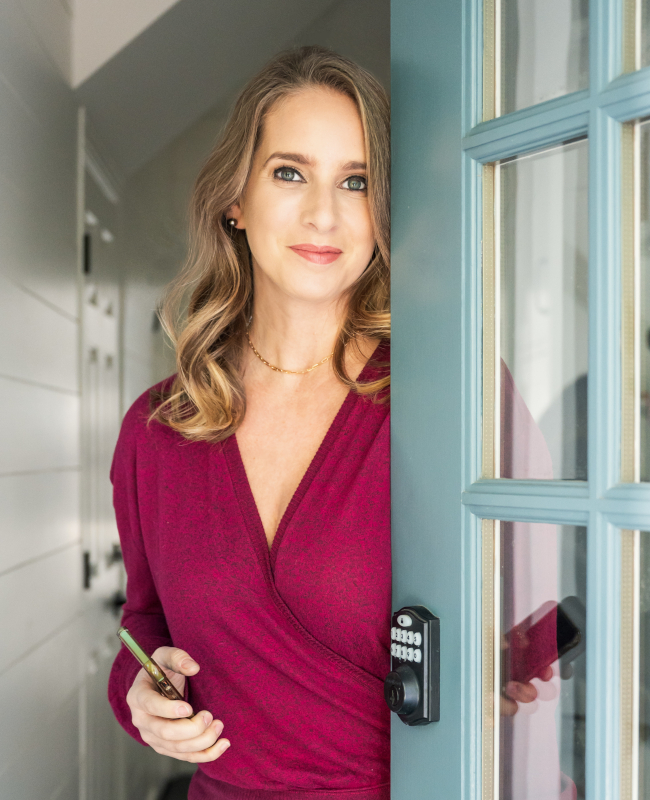
Tami Earnest — Licensed Real Estate Salesperson, Compass
Published 2026 • Updated 2026

Should I buy in Westchester or stay in NYC?

The decision comes down to three variables: commute frequency, school district need, and how much you value space over urban density. Buyers who commute rarely, have or plan to have children, and have outgrown their NYC space consistently find Westchester the stronger answer. Buyers who commute daily, value walkable density, and don't need school districts often stay in NYC. The buyers in between benefit most from seeing real properties in both markets rather than making the decision abstractly.

I work in Brooklyn, Manhattan, and Westchester simultaneously. Here's how I actually help clients think through this decision — and what the comparison looks like with real numbers.

How I Help Clients Make This Decision

I work in Brooklyn, Manhattan, and Westchester simultaneously. Most agents choose one. That cross-market perspective means I've had this exact conversation hundreds of times — and I've watched buyers make it correctly and incorrectly.

The buyers who make it correctly typically start by being honest about their commute frequency. If you're going into Manhattan four or five days a week and the train ride matters, that's a different calculation than if you're remote and the commute is occasional. Lifestyle questions come next: do you actually want a yard? Do you want to drive? Will you miss being able to walk to twelve restaurants?

For the data behind what each market delivers at equivalent price points, see the Westchester-NYC price comparison in 2026.

What Brooklyn Buyers Specifically Should Know

Brooklyn buyers considering Westchester occupy an interesting position. Brooklyn already offers a more suburban character than Manhattan — outdoor space, community feel, neighborhood identity. The question for Brooklyn buyers isn't usually "city versus suburbs" but "how much more space, how much commute, and at what price?"

At equivalent price points, Westchester delivers more square footage, a yard, and school district access that Brooklyn simply can't offer at most price points. The trade-off is the train rather than the subway, a car rather than a CitiBike, and a different social landscape. For families with school-age children who have outgrown Brooklyn, Westchester often wins the comparison decisively.

For a deeper guide to what the NYC-to-Westchester decision actually involves, see the Westchester buyer guide for NYC relocators.

The Questions That Usually Settle It

After hundreds of these conversations, I've found that a few specific questions tend to clarify the decision. How often will you actually commute in the next three years? Do you have, or are you planning to have, school-age children in the next five years? How important is walkability and urban density to your day-to-day sense of wellbeing?

Buyers who answer "rarely," "yes," and "less important than I used to think" are usually Westchester buyers. Buyers who answer "frequently," "no," and "essential" are usually staying in NYC. The buyers in the middle — and there are many — benefit from seeing actual properties in both markets rather than making the decision abstractly.

For what these conversations actually sound like on the client side, see what clients actually ask about the NYC-to-Westchester move.

Frequently Asked Questions

Should I buy in Westchester or stay in NYC in 2026?
The right answer depends on three variables: your commute frequency, whether you have or plan to have school-age children, and how much you value outdoor space and square footage versus urban walkability. Frequent commuters, remote workers with families, and buyers who have outgrown their NYC space consistently find Westchester the stronger fit. Buyers who value proximity to NYC's density above all else — walkability, nightlife, cultural access — typically stay.
Is Westchester worth it for the commute?
For buyers who commute two to three days per week, most find the Westchester lifestyle trade-off worth the train time. For daily commuters, the 35–60 minute Metro-North ride from premium towns is manageable. For buyers who are fully remote, the commute is irrelevant — and Westchester's space-per-dollar advantage becomes the dominant factor.
What do people regret when they move from NYC to Westchester?
The most common regret is underestimating car dependence. NYC residents who haven't owned a car in years often find the adjustment to suburban driving and parking costs more disruptive than expected. The second most common regret is picking a town based on a commute rather than daily lifestyle fit — buyers who chose a fast train but didn't visit on a Saturday often find the town character isn't what they expected.
What do people love about moving from NYC to Westchester?
Space is the overwhelming answer — square footage, outdoor space, storage, quiet. Families with children consistently cite school quality and safety as transformative. Working from home in a dedicated office rather than a corner of a Brooklyn apartment is frequently mentioned. The ability to have a yard, host people, and grow things is valued more than buyers expected.
Can I afford Westchester if I can afford Brooklyn?
In many cases, yes — particularly if comparing a Brooklyn condo or co-op to a Westchester single-family home. A buyer who can purchase a $900,000 Brooklyn condo can often access a $900,000 Westchester home with significantly more square footage. The ongoing cost difference is property taxes (higher in Westchester) versus NYC income tax (not applicable in Westchester) — the net often favors Westchester for households earning above $150,000.
Ready to Talk Westchester?
Whether you're buying, selling, or relocating from NYC — I'm happy to walk through what the Westchester market actually looks like for your situation.

Get in Touch

The Westchester-or-NYC decision resolves around commute frequency, school district need, and space priorities. Westchester consistently wins for families, remote workers, and buyers who have outgrown NYC apartments. NYC stays compelling for daily commuters and those who prioritize urban density and walkability. Seeing properties in both markets — not just comparing abstractions — is the most efficient path to a clear answer.

If you're genuinely weighing Westchester against staying in NYC or Brooklyn, I'm happy to show you what your budget actually buys in both markets right now.

Tami Earnest is a Licensed Real Estate Salesperson with Compass, serving Manhattan, Brooklyn, and Westchester County. 14 years, 1,300+ transactions, $164M+.
View full profile →

Tami Earnest, Licensed Real Estate Salesperson, Compass

Tami Earnest
Licensed Real Estate Salesperson
Compass | Manhattan · Brooklyn · Westchester

Contact Tami
202.528.4215


Check out this article next

Selling a Westchester Home in Spring 2026: What to Expect

Selling a Westchester Home in Spring 2026: What to Expect

Most agents work one market. Tami Earnest works both — active in Manhattan and Brooklyn as a buyer's agent and across Westchester as a listing…

Read Article